Why Lizards Are Attracted to Warm Indoor Spaces
People seeking lizard removal are typically looking to eliminate these pests from warm indoor spaces, where local service providers can safely and effectively handle the job.
Many property owners notice lizards appearing more frequently inside their homes during certain times of the year or in specific areas. Understanding why lizards are attracted to warm indoor spaces can help residents and managers better address these visits. Typically, lizards seek out indoor environments with consistent warmth, accessible hiding spots, and nearby food sources like insects. Recognizing these factors can assist in identifying why these reptiles are drawn indoors and what steps might be taken to make the space less appealing to them.
For those dealing with unwanted lizard visits, local service providers offer effective solutions to manage and remove these creatures safely. Whether the goal is to prevent future intrusions or to address an ongoing issue, experienced contractors can help assess the environment and implement strategies to reduce attractants. Exploring why lizards are attracted to warm indoor spaces can lead property owners to practical adjustments, and connecting with trusted local pros ensures professional support tailored to specific needs.
- Common Projects - Homeowners noticing lizards in their living spaces may seek services to identify and seal entry points, with local contractors focusing on perimeter inspections.
- Common Projects - When warm indoor spaces attract lizards, local service providers often recommend habitat modification and exclusion techniques to prevent re-entry.
- Common Projects - If lizards are found nesting indoors due to warmth and shelter, local pros can assist with removal and implementing barriers to keep them out.
- Common Projects - For properties with persistent lizard activity linked to indoor warmth, local contractors may perform targeted treatments and advise on habitat reduction.
- Common Projects - When lizard presence is caused by indoor warmth attracting them, local service providers can help improve ventilation and seal gaps to reduce their attraction.
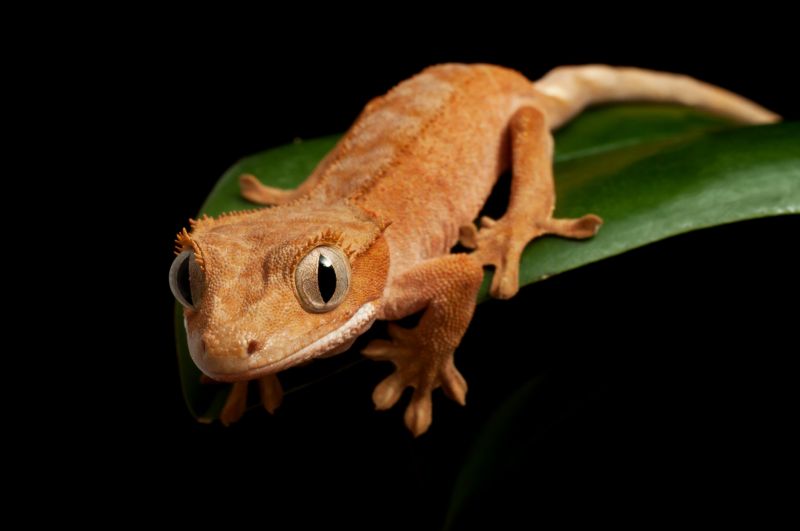
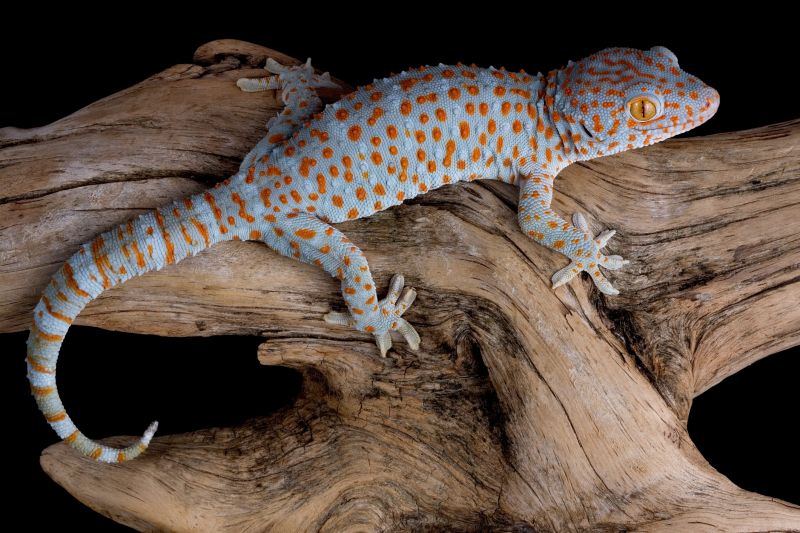
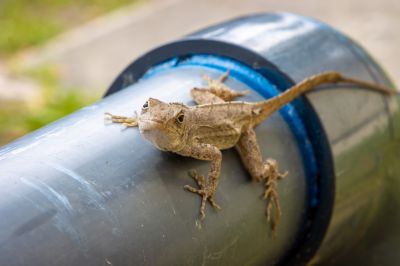
Understanding why lizards are attracted to warm indoor spaces is a common concern among homeowners who notice these reptiles inside their properties. When people search this topic, they often want to know what draws lizards indoors and how to prevent or address their presence. Typically, the interest revolves around identifying the environmental factors that make a home appealing to lizards, such as warmth, shelter, and access to food sources. Homeowners may also be exploring ways to keep lizards out of living areas or seeking professional assistance to manage an existing problem. Recognizing the underlying reasons for their attraction helps in developing effective strategies to deter these creatures and maintain a comfortable indoor environment.
The connection between warm indoor spaces and lizard attraction often relates to broader issues of pest control and property maintenance. Many homeowners find themselves dealing with lizards as part of a larger effort to manage pests or unwanted wildlife. They might be planning to seal entry points, improve insulation, or eliminate attractants like insects that serve as lizard food. Additionally, some property owners are interested in creating a less inviting environment for lizards to prevent future intrusions. These concerns highlight the importance of understanding local wildlife behaviors and implementing targeted measures. Service providers specializing in lizard removal can assist with these projects by identifying entry points, advising on habitat modification, and safely removing lizards when necessary.
Properties that tend to attract lizards are often characterized by certain features that provide warmth, shelter, or food sources. Homes with cracks, gaps around doors and windows, or poorly sealed foundations create easy entry points for lizards seeking indoor refuge. Structures with abundant indoor or outdoor vegetation, such as gardens or potted plants close to the house, can also draw lizards in search of insects and shade. Additionally, properties with cluttered or undisturbed areas offer hiding spots that make it easier for lizards to establish themselves indoors. Understanding these property types helps homeowners recognize potential vulnerabilities and work with local contractors who specialize in lizard exclusion and removal.
Addressing why lizards are attracted to warm indoor spaces involves more than just understanding their behavior; it also requires practical steps to mitigate their presence. Local service providers experienced in lizard removal can evaluate a property’s specific conditions, identify entry points, and implement sealing or exclusion techniques to keep lizards out. They can also advise on habitat modifications, such as reducing clutter or managing insect populations that serve as food sources. For homeowners, partnering with local contractors ensures that the property is properly prepared to discourage future intrusions and create an environment less appealing to these reptiles. This approach helps maintain a comfortable, lizard-free indoor space while addressing the root causes of attraction.
Home insulation projects - proper insulation can help reduce indoor warmth that attracts lizards, and local contractors can assess and improve insulation to minimize attractants.
Sealing and weatherproofing services - sealing gaps and cracks prevents lizards from entering warm indoor spaces, making these services essential for effective lizard control.
Pest control and exclusion projects - addressing insect populations and blocking entry points reduces food sources and access points for lizards seeking warmth indoors.
HVAC system installation and maintenance - efficient heating and cooling can influence indoor temperature levels, which local service providers can optimize to deter lizard attraction.
Indoor climate control solutions - installing or upgrading climate control systems helps regulate indoor warmth, discouraging lizard presence through temperature management.
Structural repair and remodeling projects - fixing damaged areas and improving building integrity can eliminate hiding spots and entry points that lizards are drawn to in warm indoor spaces.
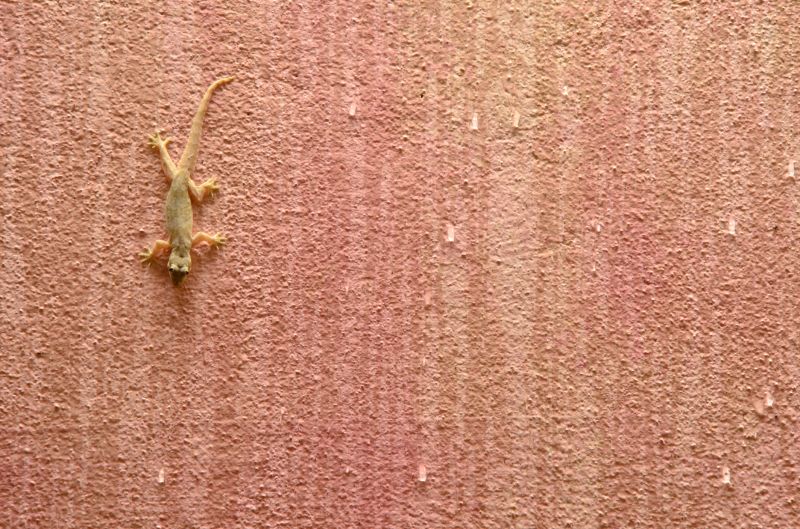
When comparing service providers for lizard removal, it is important to consider their experience with similar projects. A contractor who has handled lizard-related issues in indoor spaces will be more familiar with common attractants, such as warm areas or entry points, and will be better equipped to identify the specific causes in a home environment. This familiarity can often translate into more effective solutions and fewer repeat visits. Homeowners should inquire about the types of properties the pros have worked on and whether they have experience addressing the factors that make indoor spaces appealing to lizards.
Clear, written expectations are essential when evaluating potential service providers. A reputable contractor will be able to outline what their lizard removal process involves, including any necessary inspections, exclusion methods, or habitat modifications. Having this information in writing helps ensure that both parties understand the scope of work and can prevent misunderstandings. It also provides a reference point for assessing whether the proposed approach aligns with the homeowner’s concerns about why lizards are attracted to warm indoor spaces.
Reputable references and good communication are key indicators of a dependable service provider. Homeowners are encouraged to ask for references from past clients who had similar issues, particularly those involving indoor spaces and warm environments. Speaking with previous customers can provide insight into the contractor’s reliability, professionalism, and ability to address the specific factors that attract lizards. Additionally, a contractor who communicates clearly and promptly can help clarify questions about the removal process and ensure that the homeowner feels informed and confident throughout the project.
Property owners often search for why lizards are attracted to warm indoor spaces when they are planning practical projects around their homes and businesses. Local pros provide Lizard Removal services for everyday jobs and straightforward project options.
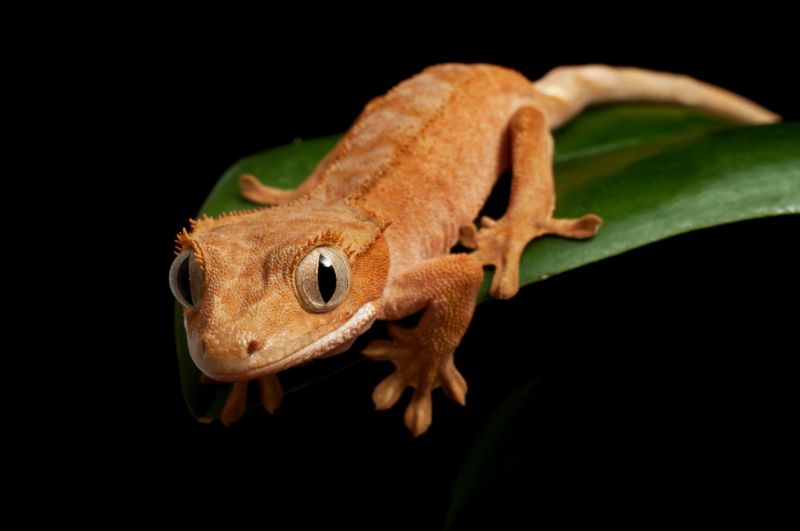

Lizards are naturally drawn to warm indoor spaces because these environments provide the ideal conditions for their survival and comfort. Property owners often notice lizards appearing in areas where temperatures are consistently higher, such as near heaters, sunny windows, or heated basements. These creatures seek out warmth as it helps them regulate their body temperature, especially during cooler months or in regions where outdoor temperatures fluctuate. When lizards find suitable indoor environments, they may become a common sight, prompting homeowners to look into effective removal options to maintain a comfortable living space.
In many cases, the presence of lizards indoors can be linked to the availability of food sources and entry points that allow them access. Small gaps around doors, windows, or vents can serve as easy pathways for lizards to enter homes. Once inside, they tend to stay close to warm spots that mimic their natural habitats. Property owners concerned about lizard infestations often turn to local contractors who specialize in lizard removal services. These professionals can help identify entry points, eliminate attractants, and implement measures to prevent future visits, ensuring indoor spaces remain comfortable and lizard-free.
Why are lizards attracted to warm indoor spaces? Lizards are drawn to warm indoor environments because they seek out heat sources that help regulate their body temperature and provide comfort inside homes.
How do warm indoor spaces attract lizards? Warm areas, such as near heating vents, sunny windows, or warm walls, create inviting spots for lizards to rest and hunt for insects indoors.
What can local contractors do to remove lizards from warm indoor spaces? Local lizard removal service providers can identify and eliminate entry points, remove attractants, and implement exclusion methods to keep lizards out of warm indoor areas.
Are there specific indoor features that attract lizards? Yes, features like warm wall crevices, heated areas, and places with abundant insects can make indoor spaces more appealing to lizards.
How can homeowners prevent lizards from being attracted to warm indoor spaces? Contacting local contractors for professional exclusion and habitat modification can reduce attractants and help prevent lizards from entering warm indoor environments.
Identify warm hiding spots - property owners can work with local contractors to locate and seal areas that provide cozy retreats for lizards indoors.
Improve insulation and sealing - enhancing home insulation and sealing gaps can reduce indoor warmth and make spaces less attractive to lizards.
Manage indoor heat sources - controlling heat-generating appliances and lighting can help prevent creating inviting environments for lizards.
Implement exclusion strategies - consulting with local pros to install barriers and screens can keep lizards from entering warm indoor areas.
If you are thinking about why lizards are attracted to warm indoor spaces for a property, this guide is meant to help you understand this topic, the typical project types, and how different options might fit your plans.
When you are ready, you can use the quote form on this page to share a few details about your project. From there, local pros can review the basics and follow up with options that match what you have in mind.